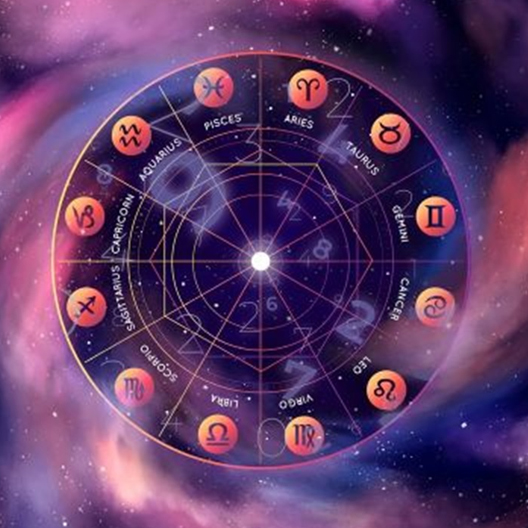
Planets in Vedic Astrology (Navagrahas): Meaning, Influence & Remedies
The Cosmic Architects of Destiny
In Vedic astrology, the nine planets—known as the Navagrahas—act as the cosmic architects of human destiny. Each planet represents a distinct vibration of universal energy that influences thoughts, emotions, opportunities, and karmic patterns. These celestial forces shape the rhythm of life, guiding every soul through a unique spiritual and material journey.
Beyond their astronomical presence, the planets are divine intelligences—living symbols of consciousness that mirror human behavior and inner evolution. The Sun embodies vitality and purpose, the Moon reflects emotional depth, Mars awakens courage, while Jupiter expands wisdom. Together, they form a divine orchestra that expresses both the light and shadow within creation.
In every birth chart, planets act through specific zodiac signs, houses, and aspects, creating an energetic blueprint of one’s potential. Understanding this planetary design reveals how fate and free will work in harmony.
To comprehend these celestial dynamics, one must first Explore the foundations of Vedic Astrology — the ancient science that connects the cosmos with human life.
Each planet’s journey through these houses tells a deeper story of karma, growth, and divine timing—a story that continues to unfold through your personal horoscope.
What Are the Navagrahas?
In Vedic astrology, the term Navagraha means “Nine Influential Celestial Forces”. These are not merely astronomical bodies but living streams of cosmic intelligence that shape the flow of karma, destiny, and consciousness. Each planet radiates a unique spiritual frequency, influencing the physical, emotional, and mental dimensions of human life.
The nine planets of Vedic astrology are:
- Sun (Surya) – The soul, vitality, and self-expression
- Moon (Chandra) – Emotions, intuition, and mental balance
- Mars (Mangal) – Strength, ambition, and drive
- Mercury (Budha) – Communication, intellect, and adaptability
- Jupiter (Guru) – Wisdom, expansion, and dharma
- Venus (Shukra) – Love, beauty, and material harmony
- Saturn (Shani) – Discipline, endurance, and karmic lessons
- Rahu (North Node) – Desire, innovation, and worldly ambition
- Ketu (South Node) – Detachment, spirituality, and liberation
Together, these celestial powers create a divine balance between material involvement and spiritual awakening. Every human experience—whether joy or challenge—is an expression of their cosmic interplay.
Each planet also represents a psychological archetype within the human mind. For instance, the Sun reflects leadership and purpose, while Venus symbolizes affection and creativity. When interpreted through a horoscope, these planetary archetypes reveal one’s innate tendencies, strengths, and the evolutionary lessons of this lifetime.
The Navagrahas thus form the living language of cosmic intelligence — a dialogue between the universe and the soul.
Role of Planets in a Horoscope
Every horoscope is a cosmic map of planetary energies captured at the moment of birth. In Vedic astrology, the planets act as living forces that shape life experiences through their positions, relationships, and strength. Each planet expresses its influence differently depending on where and how it is placed in the birth chart.
Placement by Sign (Rashi)
Each planet occupies one of the twelve zodiac signs, and this placement defines its mode of expression.
- A planet in its own or exalted sign radiates clarity, confidence, and purpose.
- When positioned in an incompatible sign, its energy may become challenged or redirected toward inner growth.
For example, the Sun shines with authority in Leo, while Venus finds beauty and balance in Libra and Taurus.
House Position (Bhava)
The twelve houses represent different areas of human life — career, relationships, health, wealth, and spirituality.
A planet’s position within a house determines the field of experience where its energy becomes active.
- Jupiter in the 9th House inspires wisdom and higher learning.
- Mars in the 10th House energizes ambition and leadership.
Each house acts as a stage where the planet performs its cosmic role.
Aspects and Conjunctions (Drishti and Yuti)
Planets interact with each other through aspects—the energetic glances they cast across the chart—and conjunctions, when two or more planets share the same sign or house.
These interactions create a dynamic network of cooperation, conflict, or balance, influencing both personality and destiny.
For instance, the gentle Moon when aspected by disciplined Saturn may produce emotional maturity and restraint, while a Mars-Jupiter conjunction often inspires courageous leadership guided by wisdom.
Planetary Strength (Shadbala and Dignity)
The real power of a planet lies in its strength and dignity.
Astrologers measure this using Shadbala—a complex system evaluating six forms of planetary potency such as positional, temporal, directional, and motional strength.
A strong planet delivers stable and constructive results, while a weakened planet invites introspection and learning through experience.
Planetary Relationships
Planets share unique relationships based on their natural and situational compatibility:
- Friends cooperate harmoniously to produce favorable results.
- Enemies create inner friction that drives transformation.
- Neutrals maintain balance depending on context.
These relationships color the outcome of every planetary combination. Understanding them helps reveal whether an influence manifests as opportunity, discipline, or spiritual awakening.
Planetary Classification in Vedic Astrology
The nine planets in Vedic astrology express their cosmic influence through distinct qualities and temperaments. Understanding their classifications helps interpret how they shape events, emotions, and spiritual evolution in a horoscope. Each planet’s nature, gender, element, and functional role adds subtle layers to its energy expression.
Classification by Nature (Benefic and Malefic)
Planets are traditionally grouped based on the general quality of their influence on life.
- Benefic Planets radiate harmonious, nurturing, and uplifting energies that promote growth and positivity:
- Jupiter (Guru) – Wisdom, expansion, and prosperity
- Venus (Shukra) – Love, art, and abundance
- Mercury (Budha) – Intelligence and communication (when unafflicted)
- Waxing Moon (Chandra) – Emotional balance and sensitivity
- Malefic Planets stimulate discipline, transformation, and karmic purification. While their effects may feel intense, they ultimately serve higher growth:
- Sun (Surya) – Ego refinement and willpower
- Mars (Mangal) – Assertiveness, courage, and control
- Saturn (Shani) – Duty, responsibility, and endurance
- Rahu (North Node) – Ambition, desire, and worldly attachment
- Ketu (South Node) – Detachment and spiritual awakening
- Waning Moon – Emotional fluctuations and inner trials
Both benefic and malefic planets play essential roles in evolution. Benefics bring comfort, while malefics bring strength through challenges, refining one’s character and resilience.
Classification by Gender and Element
In Vedic astrology, planets also carry gendered vibrations that influence their mode of expression and the qualities they awaken.
- Male Planets: Sun, Mars, Jupiter — assertive, expressive, action-oriented.
- Female Planets: Moon, Venus — receptive, emotional, nurturing.
- Neutral Planets: Mercury, Saturn — adaptable, intellectual, balancing forces.
Additionally, each planet aligns with one of the four elements, which govern the material and psychological realms of existence:
| Element | Nature | Planetary Examples |
|---|---|---|
| Fire | Passion, leadership, transformation | Sun, Mars, Jupiter |
| Earth | Stability, patience, material focus | Mercury, Venus, Saturn |
| Air | Communication, intellect, movement | Rahu |
| Water | Emotion, intuition, adaptability | Moon, Ketu |
These elemental qualities help interpret how planets interact and influence the personality, depending on their placement and dignity.
Classification by Functional Role
Beyond natural tendencies, planets also take on functional roles in each chart depending on the individual’s Lagna (Ascendant).
- Natural Benefics and Malefics describe their general character across all charts.
- Functional Benefics and Malefics depend on the ascendant, determined by which houses the planets rule.
For instance:
- Jupiter is naturally benefic, yet for some ascendants it can become functionally malefic if ruling challenging houses.
- Saturn, often considered malefic, may turn benefic when ruling auspicious houses like the 9th or 10th.
This dynamic nature ensures that every chart remains unique, shaped by an interplay of cosmic logic and karmic precision.
The Nine Planets (Navagraha) Overview
In the sacred science of Vedic astrology, the nine planets—Navagrahas—represent the divine forces that govern the rhythm of life. Each planet acts as a cosmic channel, transmitting spiritual and psychological energies that influence destiny, behavior, and evolution.
These planetary intelligences are more than celestial bodies; they are manifestations of universal principles. Their vibrations shape every emotion, decision, and turning point in human experience. When harmonized, they guide the soul toward wisdom, fulfillment, and higher consciousness.
Below is an overview of the nine planets, their Sanskrit names, core energies, and ruling zodiac signs. Each planetary name links to a detailed subpage for deeper study and insight.
| Planet | Sanskrit Name | Energy Type | Ruling Sign(s) |
|---|---|---|---|
| Sun | Surya | Soul, vitality, leadership | Leo |
| Moon | Chandra | Mind, emotion, intuition | Cancer |
| Mars | Mangal | Courage, drive, strength | Aries, Scorpio |
| Mercury | Budha | Communication, logic, intellect | Gemini, Virgo |
| Jupiter | Guru | Wisdom, expansion, dharma | Sagittarius, Pisces |
| Venus | Shukra | Love, beauty, prosperity | Taurus, Libra |
| Saturn | Shani | Discipline, karma, endurance | Capricorn, Aquarius |
| Rahu | North Node | Ambition, illusion, innovation | — |
| Ketu | South Node | Detachment, spirituality, moksha | — |
Each of these planets serves as a guardian of specific life domains, influencing health, emotions, career, wealth, and spiritual growth. For instance:
- The Sun inspires purpose and leadership.
- The Moon nurtures emotional intelligence and empathy.
- Jupiter expands wisdom and faith, while Saturn teaches patience and discipline.
- The shadow planets Rahu and Ketu awaken transformation through material desire and spiritual liberation.
Together, they create a dynamic cosmic interplay that defines individual karma and collective evolution. To fully understand their impact, explore each planet’s detailed profile through the internal links above.
Planetary Strength and Weakness
In Vedic astrology, every planet expresses its energy through varying degrees of strength, dignity, and clarity. These variations determine how a planet influences the individual’s destiny, emotional tendencies, and external circumstances. A strong planet radiates confidence, harmony, and success, while a weakened planet invites inner growth and self-awareness through life lessons.
Uccha (Exaltation) and Neecha (Debilitation)
Each planet attains its peak power in a specific sign, known as Uccha or Exaltation. In that position, the planet’s energy flows freely and expresses its highest virtues. Conversely, when a planet occupies its Neecha or Debilitated sign, its energy becomes restrained or redirected, requiring conscious alignment to express its potential.
For example:
- Sun is exalted in Aries (confidence and leadership) and debilitated in Libra (dependence and compromise).
- Moon is exalted in Taurus (emotional stability) and debilitated in Scorpio (emotional intensity).
- Jupiter finds exaltation in Cancer, while Saturn gains strength in Libra, teaching the beauty of balance through discipline.
Exaltation and debilitation don’t indicate reward or punishment—they symbolize karmic themes guiding spiritual evolution.
Planetary Combustion (Astangata)
When a planet comes very close to the Sun, it is said to be combust or Astangata. The Sun’s brilliance overshadows the planet’s independent energy, often resulting in a subtle or hidden influence.
- Combust Mercury may create inner restlessness despite strong intellect.
- Combust Venus can intensify passion, demanding balance between love and self-expression.
Combustion doesn’t weaken the soul—it transforms planetary expression from external activity to inner refinement and discipline.
Retrograde Motion (Vakri Graha)
A retrograde planet appears to move backward from Earth’s perspective, symbolizing a reversal of energy flow. Rather than acting outwardly, the planet directs its force inward, deepening introspection and karmic understanding.
- Retrograde Jupiter enhances philosophical introspection and independent wisdom.
- Retrograde Saturn strengthens responsibility and perseverance through delayed success.
Retrograde motion invites individuals to revisit unfinished lessons, turning reflection into mastery.
Planetary Yogas (Combinations of Power)
When planets form auspicious relationships, they create Yogas—unique combinations that amplify results and shape destiny. Yogas reflect how planetary energies cooperate or harmonize to produce success, fame, wealth, or spiritual progress.
- Gaja Kesari Yoga – when Jupiter and Moon form a benefic combination, blessing wisdom and respect.
- Budha-Aditya Yoga – union of the Sun and Mercury, enhancing communication and leadership.
- Raja Yoga – combinations that grant status, prosperity, and recognition.
Planetary Relationships and Aspects (Drishti)
In Vedic astrology, every planet interacts with others through Drishti, or aspect—an invisible line of energy that connects one planet to another. These aspects represent the communication channels of cosmic intelligence, revealing how different planetary forces cooperate, challenge, or refine each other in shaping destiny.
The Concept of Drishti (Planetary Aspect)
Each planet casts its gaze (Drishti) on specific houses from its position in the horoscope. These aspects indicate how a planet influences different areas of life, either harmonizing or creating friction depending on its nature and placement.
- Sun, Moon, Mercury, and Venus generally aspect the 7th house from their position, symbolizing balance and interaction.
- Mars aspects the 4th, 7th, and 8th houses, showing courage, protection, and deep emotional drive.
- Jupiter aspects the 5th, 7th, and 9th houses, spreading wisdom, growth, and dharmic purpose.
- Saturn aspects the 3rd, 7th, and 10th houses, signifying discipline, endurance, and responsibility.
Each aspect expresses the planet’s vision and influence, revealing how one part of life shapes another—career with home, wisdom with action, emotion with duty.
Planetary Friendship and Enmity
Just as human relationships shape personality, planets too share natural friendships, neutrality, or enmity. This dynamic originates from their inherent elemental nature (Tatva), cosmic purpose, and mythological significance.
For instance:
- Sun is friendly with Moon, Mars, and Jupiter, but faces tension with Saturn and Venus.
- Mercury aligns with Venus and Sun, while finding discomfort with Moon.
- Saturn respects Mercury and Venus, yet maintains a karmic challenge with Sun and Moon.
These relationships indicate whether two planetary energies will support each other’s expression or demand reconciliation through maturity and patience.
Example: The Sun and Saturn Dynamic
The Sun embodies authority, vitality, and self-expression, while Saturn represents discipline, humility, and perseverance. Together, they form a sacred dialogue between ego and endurance, leadership and service.
- When harmonized, they create leaders who balance ambition with integrity.
- When conflicted, they generate life experiences that teach respect for time, effort, and responsibility.
Each individual’s chart reveals how these forces integrate—whether through success born of effort or wisdom born of restraint.
How Planetary Aspects Shape Life Themes
Drishtis weave an intricate web across the birth chart, showing how one planet’s intent activates another’s domain.
- A benevolent aspect from Jupiter on the Moon nurtures emotional wisdom.
- A disciplined gaze from Saturn on the Sun cultivates maturity and structure in leadership.
- A fiery aspect from Mars on the 7th house adds courage and drive in relationships.
Through these energetic exchanges, astrology reveals that every life experience is interconnected—a divine conversation among celestial beings.
Planetary Remedies (Graha Shanti)
In Vedic astrology, Graha Shanti means harmonizing the planets. It is the sacred process of balancing planetary vibrations through devotion, discipline, and awareness. Each planet emits a unique frequency that influences human life, and when this energy feels disharmonious, specific remedies can help restore cosmic equilibrium.
These remedies are not meant to erase karma, but to align personal effort with divine order, enabling smoother outcomes and inner peace.
Mantra Recitation (Japa)
Mantras are sacred sound frequencies that attune the mind to planetary energies. Chanting with sincerity refines thought patterns and purifies inner vibrations.
- Sun (Surya): Om Hram Hreem Hraum Sah Suryaya Namah — boosts vitality and authority.
- Moon (Chandra): Om Shram Shreem Shraum Sah Chandraya Namah — enhances peace and emotional stability.
- Jupiter (Guru): Om Gram Greem Graum Sah Gurave Namah — expands wisdom and faith.
- Saturn (Shani): Om Sham Shanaishcharaya Namah — cultivates patience and endurance.
Mantra repetition is most effective during the planet’s hora (hour) or on its dedicated weekday, while maintaining focus and humility.
Gemstone Therapy
Gemstones act as energy amplifiers, channeling planetary light into the aura. They should always be prescribed after proper astrological analysis and worn with purity of intent.
- Ruby for Sun — radiates confidence and leadership.
- Pearl for Moon — nurtures emotional calm.
- Coral for Mars — enhances strength and courage.
- Emerald for Mercury — improves clarity and communication.
- Yellow Sapphire for Jupiter — attracts wisdom and prosperity.
- Diamond for Venus — inspires harmony and beauty.
- Blue Sapphire for Saturn — deepens discipline and focus.
The gemstone must be natural, untreated, and worn in the appropriate metal and finger, ideally after energization with mantra and puja.
Yantra Worship
A Yantra is a geometric representation of divine energy. Meditating on or installing a Yantra activates the subtle presence of the associated planet in the home or workspace.
- Surya Yantra for vitality
- Chandra Yantra for peace
- Shani Yantra for karmic balance
- Rahu-Ketu Yantras for releasing illusion and awakening spiritual clarity
When energized through ritual, Yantras become a bridge between material and spiritual realms, harmonizing planetary forces in daily life.
Charity and Donations (Daana)
Offering charity in the name of a planet reduces karmic imbalance and opens channels of grace. The act symbolizes letting go of attachments associated with the planet’s material domain.
Examples:
- Donate wheat or copper for Sun.
- Offer white rice or milk for Moon.
- Give black sesame or iron for Saturn.
- Contribute yellow cloth or chickpeas for Jupiter.
The intention behind the act carries greater power than the material itself—charity performed with gratitude multiplies blessings.
Fasting and Discipline (Upavasa)
Fasting aligns body and mind with cosmic rhythms, creating inner receptivity. Each weekday corresponds to a planet:
- Sunday for Sun — self-renewal and vitality
- Monday for Moon — emotional harmony
- Tuesday for Mars — courage and control
- Thursday for Jupiter — knowledge and guidance
- Saturday for Saturn — service and humility
Fasting can be complete or partial, always supported by prayer, meditation, and acts of kindness.
The Deeper Purpose of Remedies
True Graha Shanti arises when spiritual understanding supports ritual practice. Mantras and gemstones guide energy, while faith and awareness transform destiny. The purpose is not mere material gain but spiritual realignment, restoring peace between human will and divine design.
Planets and Life Domains (Karakas)
In Vedic astrology, every planet serves as a Karaka — a significator of specific life domains. These cosmic indicators reveal how planetary forces manifest as real-life experiences such as relationships, career, health, and spiritual growth. Understanding these Karakas allows us to interpret the deeper purpose behind each event in our journey.
Each planet embodies a living intelligence, guiding the soul through particular lessons and blessings. When strong and well-placed, the planet uplifts that life area; when weak or afflicted, it invites awareness and conscious correction through remedies and right action.
Sun (Surya) — The Soul and Authority
- Represents the soul, vitality, father, government, and leadership.
- Governs self-confidence, purpose, and the ability to take responsibility.
- A strong Sun bestows clarity, recognition, and a sense of direction, while a dimmed Sun invites humility and self-discovery.
- Connects with the core identity — how one shines in the world.
Moon (Chandra) — The Mind and Emotions
- Signifies the mother, emotional nature, peace of mind, and daily moods.
- Controls mental balance, intuition, and nurturing capacity.
- A strong Moon grants emotional intelligence and calmness, while a restless Moon leads to sensitivity or overthinking.
- Symbolizes the inner rhythm of the heart.
Mars (Mangal) — Energy and Courage
- Karaka of brothers, courage, property, and physical energy.
- Reflects drive, ambition, and determination to overcome challenges.
- A balanced Mars builds willpower and resilience, whereas excessive aggression signals imbalance.
- Represents the warrior spirit within every soul.
Mercury (Budha) — Communication and Intellect
- Signifies speech, intellect, logic, trade, and youthfulness.
- Governs business skills, adaptability, and analytical thinking.
- A well-placed Mercury blesses with eloquence and wit; an afflicted one brings confusion or indecision.
- Symbolizes mental clarity and human interaction.
Jupiter (Guru) — Wisdom and Expansion
- Represents teachers, spirituality, wealth, children, and dharma (righteous path).
- Expands positivity, optimism, and inner faith.
- A strong Jupiter brings prosperity and moral strength; a weak one may cause misplaced beliefs or excess indulgence.
- Serves as the guide of divine knowledge in life.
Venus (Shukra) — Love and Harmony
- Governs love, marriage, beauty, pleasure, and artistic talent.
- Reflects how one gives and receives affection, and the approach to material comfort.
- When elevated, Venus blesses with charm and abundance; when imbalanced, it teaches lessons of attachment and discernment.
- Embodies the art of emotional and material balance.
Saturn (Shani) — Discipline and Karma
- Karaka for work, obstacles, longevity, service, and justice.
- Tests patience, responsibility, and integrity through life’s challenges.
- A balanced Saturn provides wisdom and stability; an afflicted one brings delays or lessons in humility.
- Symbolizes the law of time and karmic order.
Rahu — Ambition and Illusion
- Signifies worldly desires, innovation, and foreign connections.
- Encourages growth through material experiences and unconventional paths.
- When guided by awareness, Rahu transforms ambition into vision; when uncontrolled, it leads to obsession or confusion.
- Represents the unfulfilled craving for evolution.
Ketu — Detachment and Liberation
- Represents spirituality, past-life karma, detachment, and mysticism.
- Inspires letting go of ego and rediscovering divine connection.
- A well-aspected Ketu enhances intuition and liberation; imbalance may cause isolation or detachment from reality.
- Embodies the soul’s call toward higher truth.
Connecting Planets to Human Experience
Each planet mirrors a facet of consciousness, influencing emotions, relationships, and life direction. Together, they form a divine orchestra — where the soul’s melody plays through karmic patterns and free will.
Through awareness of the Karakas, one begins to see that every experience is purposeful — a reflection of the planets’ guiding light leading the soul toward balance, wisdom, and fulfillment.
Harmonizing with the Planetary Forces
The Navagrahas are the eternal architects of human experience — weaving threads of destiny through every thought, action, and emotion. By understanding their influence, one begins to see life not as a series of random events, but as a divinely orchestrated pattern guided by cosmic intelligence.
Each planet reflects a unique vibration of consciousness — the Sun radiates purpose, the Moon shapes emotion, Mercury governs thought, Venus inspires love, and Saturn builds endurance. Together, they teach the sacred art of living in rhythm with universal order.
When observed through the lens of Vedic astrology, planetary wisdom becomes a mirror of self-realization. It shows how outer circumstances arise from inner energies, and how awareness can transform challenges into spiritual growth. Aligning with these celestial forces leads to harmony — both within the self and with the cosmos.
To continue your journey through the wisdom of the Navagrahas,
Through conscious connection with each planet’s energy, you awaken a profound balance — where personal destiny flows effortlessly with the rhythm of the universe.
