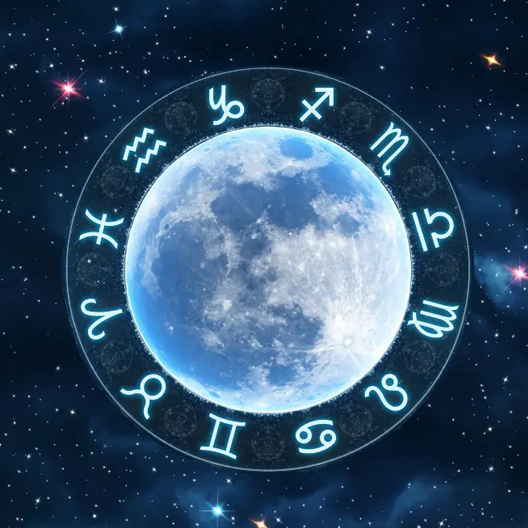
Moon (Chandra) in Vedic Astrology – The Mind, Emotions, and Inner Reflection
The Cosmic Role of the Moon (Chandra)
In Vedic astrology, the Moon (Chandra) holds a sacred position as the ruler of the mind and subconscious. It reflects our inner world—the emotions, memories, and moods that guide how we perceive and respond to life. While the Sun represents the soul and purpose, the Moon embodies sensitivity, reflection, and the fluid nature of human experience.
Chandra governs emotional intelligence, shaping intuition, empathy, and the ability to connect deeply with others. A well-placed Moon brings calmness, clarity, and emotional balance, while a disturbed Moon may create restlessness or over-sensitivity. The Moon’s energy teaches us adaptability—just as its light waxes and wanes, our emotional states shift and evolve.
As the fastest-moving planet in the Vedic system, the Moon changes signs approximately every two and a half days, subtly influencing our mood and perception on a daily basis. This movement mirrors the constant ebb and flow of thoughts and feelings, reminding us that balance lies in embracing change.
The Moon is also one of the Navagraha, the nine celestial influencers in Vedic astrology, each guiding a unique aspect of human destiny.
Symbolism and Significance of Chandra
The Moon (Chandra) is a timeless symbol of purity, nurturing, and inner reflection. In Vedic astrology, it represents the serene light of consciousness that illuminates our emotional world. Just as the Moon reflects the Sun’s light, it mirrors our inner feelings and instinctive responses, revealing how we experience love, comfort, and connection.
Chandra embodies the motherly essence of care and emotional nourishment. It governs our need for safety, affection, and belonging—qualities that shape our relationships and sense of peace. A harmonious Moon cultivates emotional stability and compassion, allowing one to express love naturally and receive it with openness.
The Moon also signifies intuition and sensitivity, the subtle wisdom that comes from feeling rather than reasoning. It connects us to dreams, imagination, and the deeper rhythms of the subconscious.
Each lunar phase carries distinct psychological vibrations—the waxing Moon symbolizes growth and hope, while the waning Moon encourages introspection and release. These cycles influence emotional energy and mental focus, reminding us that healing and renewal unfold in natural rhythms.
Through Chandra’s light, we learn the art of emotional balance and the beauty of inner reflection that guides us toward spiritual peace.
Moon and the Human Mind
In Vedic astrology, the Moon is the guardian of the human mind, shaping how we think, feel, and respond to life’s experiences. It governs the Manas—the emotional and sensory mind—where thoughts take form before they become words or actions. When the Moon’s energy flows harmoniously, it nurtures mental clarity, serenity, and emotional understanding.
The Moon influences creativity, imagination, and mood, fueling artistic expression and intuitive thinking. Its placement in the birth chart reveals how an individual perceives the world, processes emotions, and channels inspiration. A luminous, well-placed Moon gifts emotional stability, empathy, and a calm temperament—qualities that attract harmony in both personal and professional life.
A strong Moon blesses one with clear perception, confidence, and resilience under pressure. It brings an ability to adapt gracefully and stay centered amid change. On the other hand, a weak or afflicted Moon can cloud judgment, intensify overthinking, and lead to emotional confusion or indecision. Such individuals may feel overly sensitive or experience fluctuating moods.
True balance arises when intellect and emotion move in harmony—when the radiant Sun’s ego aligns with the Moon’s emotion, creating a state of mental peace and self-awareness.
Moon in Birth Chart (Natal Chart Interpretation)
In a Vedic birth chart, the Moon’s placement reveals the foundation of one’s emotional world, habits, and mental rhythm. Its sign and house position define how an individual feels secure, nurtures others, and expresses emotions. For instance, the Moon in a fiery sign like Aries brings spontaneity and emotional courage, while in a water sign like Cancer, it enhances empathy, intuition, and attachment to home and family.
The house placement of the Moon indicates where emotional energy flows most strongly. When placed in the 1st house, it makes the personality sensitive and expressive. In the 4th house, it strengthens emotional roots and attachment to family life. In the 10th house, it channels feelings into ambition and social recognition.
The aspects of the Moon with other planets further shape the emotional landscape. A connection with Jupiter expands optimism and faith; with Venus, it refines beauty and affection; with Saturn, it may bring depth, maturity, and emotional restraint. These combinations define the way a person perceives happiness, relationships, and inner peace.
Equally significant is the Moon’s Nakshatra, or birth star, which offers profound insight into one’s emotional patterns, instincts, and life path. The Nakshatra of the Moon determines the subtle vibrations influencing one’s temperament and intuitive power.
Effects of Strong and Weak Moon
The strength of the Moon (Chandra) in a birth chart directly reflects the stability of one’s emotions, imagination, and peace of mind. A strong Moon blesses individuals with a serene temperament and compassionate heart. Such people radiate calm energy, think creatively, and handle challenges with emotional balance. They possess deep intuition and a nurturing nature that naturally draws trust and harmony into their relationships.
A strong Moon also enhances mental clarity and self-reflection, allowing one to remain centered amidst emotional turbulence. These individuals are often empathetic listeners and creative thinkers, guided by inner peace rather than external chaos.
On the other hand, a weak or afflicted Moon may cause restlessness, mood fluctuations, and anxiety. When the Moon is overshadowed by malefic planets like Rahu, Saturn, or Ketu, it can create emotional confusion, fear, or self-doubt. Such individuals may experience disturbed sleep, overthinking, or difficulty trusting their instincts. Strengthening the Moon’s vibration through mindful practices and connection with nature restores equilibrium.
The phase of the Moon at birth also shapes personality and emotional rhythm. Those born during a waxing Moon often display optimism, growth-oriented thinking, and extroverted emotions. In contrast, individuals born under a waning Moon possess introspective wisdom, emotional depth, and a natural inclination toward spirituality and reflection.
Understanding the Moon’s strength reveals the key to emotional balance—cultivating a mind that remains luminous, steady, and inspired regardless of life’s changing tides.
Remedies to Strengthen the Moon
When the Moon’s energy feels unsettled or weak, certain Vedic remedies can harmonize its vibration and restore emotional balance. These sacred practices align the mind with lunar calmness, enhancing peace, intuition, and stability.
Chanting the Chandra Beej Mantra
Regular recitation of the Chandra Beej Mantra – “Om Shraam Shreem Shraum Sah Chandraya Namah” – invokes the Moon’s gentle light and emotional purity. Chanting it on Mondays or during the Moon’s Hora (planetary hour) strengthens mental clarity and soothes emotional turbulence.
Observing Monday Fasts and Rituals
Monday, ruled by the Moon, is ideal for cleansing the mind and nurturing peace. Fasting lightly or dedicating the day to prayer, meditation, and compassion-filled acts enhances inner calm and receptivity to positive emotions.
Wearing a Natural Pearl (Moti)
The gemstone Pearl symbolizes purity and serenity. When prescribed by a trusted astrologer, wearing a natural Pearl set in silver and worn on the little finger of the right hand can magnify emotional stability, self-confidence, and mental peace. Always ensure the gem suits your chart before wearing.
Meditation and Water-Based Spiritual Practices
Since the Moon governs water and emotions, meditating near natural water bodies—rivers, lakes, or the sea—helps balance emotional waves. Practicing moon gazing (Chandra Tratak) or gentle evening meditation calms the mind and reconnects the soul to lunar rhythm.
Through these mindful rituals, the Moon’s nurturing grace shines brighter within, bringing mental harmony and intuitive strength.
Moon in the Twelve Zodiac Signs
The placement of the Moon in the twelve zodiac signs reveals the emotional blueprint of an individual—how one feels, reacts, and connects with the world. Each sign channels the Moon’s nurturing energy in its own unique way, coloring the emotional tone, instincts, and sensitivity of the person.
Here’s a brief overview that sets the foundation for future in-depth pages on each Moon sign interpretation:
- Moon in Aries (Mesha) – Brings passionate emotions, courage, and spontaneity. These individuals feel deeply yet act quickly, expressing emotions with boldness and enthusiasm.
- Moon in Taurus (Vrishabha) – Symbolizes emotional stability, comfort, and sensual joy. Grounded and patient, they seek security through love, beauty, and consistency.
- Moon in Gemini (Mithuna) – Encourages curiosity, expression, and adaptability. Their emotions flow through communication, learning, and social engagement.
- Moon in Cancer (Karka) – Deeply emotional and nurturing. Strong attachment to family, home, and memories creates a tender yet protective personality.
- Moon in Leo (Simha) – Radiates confidence, warmth, and generosity. These individuals express emotions through creativity, pride, and a desire to inspire others.
- Moon in Virgo (Kanya) – Brings analytical emotions and care for details. Sensitive yet practical, they express affection through service and thoughtful actions.
- Moon in Libra (Tula) – Balances emotions through harmony, relationships, and beauty. Their peace of mind thrives in balanced connections and aesthetic surroundings.
- Moon in Scorpio (Vrishchika) – Intense and transformative. They feel emotions with great depth, seeking emotional rebirth and truth through inner strength.
- Moon in Sagittarius (Dhanu) – Optimistic and spiritually driven. These individuals find joy through exploration, wisdom, and faith in life’s journey.
- Moon in Capricorn (Makara) – Emotionally disciplined and responsible. They value structure and express feelings through dedication and long-term commitment.
- Moon in Aquarius (Kumbha) – Independent, thoughtful, and socially aware. They channel emotions into humanitarian ideals and intellectual creativity.
- Moon in Pisces (Meena) – Deeply intuitive, compassionate, and imaginative. Their emotions merge with universal love, guiding them toward spirituality and empathy.
Moon and Relationships
The Moon (Chandra) plays a profound role in shaping emotional connections and relationship dynamics. In Vedic astrology, it governs the heart’s language—how we express love, nurture others, and seek emotional safety. Understanding the Moon’s placement helps reveal what truly comforts the heart and how one responds to affection or emotional needs in relationships.
Emotional compatibility is often measured through Moon sign matching, as it determines how two people intuitively connect and understand each other’s feelings. When Moons harmonize by element (fire, earth, air, or water), emotional exchanges flow naturally, creating a sense of ease, empathy, and shared rhythm. Misaligned Moons, however, may require conscious effort to bridge emotional differences.
In love, marriage, and family life, the Moon governs emotional harmony and nurturing patterns. A well-balanced Moon promotes tenderness, mutual understanding, and care, while a disturbed Moon can bring emotional distance or misunderstanding. The Moon’s strength in both partners’ charts often signifies the depth of emotional support and long-term stability in their bond.
The Moon also defines one’s emotional communication style—whether expressive, reserved, intuitive, or logical. Some express love through words and warmth; others through presence and silent understanding. Recognizing your Moon’s influence helps you build deeper emotional awareness, leading to relationships rooted in empathy, balance, and soulful connection.
Spiritual Dimension of the Moon
The Moon (Chandra) stands as a luminous mirror of the soul’s reflection, symbolizing the light of consciousness that shines through the mind. Spiritually, it represents the subtle bridge between the inner self and the outer world—the realm where thoughts, emotions, and intuition merge into awareness. Its gentle radiance reflects how clearly one perceives the truth of their own being.
Chandra embodies the divine feminine energy (Shakti)—the nurturing force of creation that sustains life through compassion, intuition, and emotional depth. In Vedic philosophy, the Moon represents the sacred rhythm of receptivity, grace, and inner surrender. When aligned with this energy, the mind softens, allowing divine wisdom and emotional intelligence to emerge naturally.
Lunar meditation offers a sacred path to awaken emotional awareness and spiritual calm. Sitting under the moonlight, focusing on its silvery glow, or meditating on the heart chakra harmonizes the emotional currents within. This practice cools the mind, balances the senses, and deepens the connection with one’s intuitive self.
Spiritually, the Moon reminds us that peace and clarity arise not from controlling emotions but from observing them with tenderness—just as the Moon reflects the Sun’s light, the soul reflects divine consciousness through the serene glow of awareness.
Key Takeaways
- The Moon (Chandra) governs emotional health, intuition, and peace of mind, guiding how we feel, respond, and connect with the world around us. Its energy shapes our moods, creativity, and sense of inner comfort.
- Understanding your Moon in the birth chart opens the path to emotional balance and self-awareness. By observing its placement, strength, and phase, you uncover the patterns that define your emotional rhythm and reactions.
- When you align with Chandra’s nurturing energy, you awaken calmness, empathy, and harmony within. Cultivating lunar awareness through reflection, meditation, and mindful living allows the heart to glow with serenity—just as the Moon softly reflects the eternal light of the soul.
FAQ (Schema Ready)
What does Moon represent in Vedic Astrology?
In Vedic astrology, the Moon (Chandra) represents the mind, emotions, and inner consciousness. It governs mental stability, sensitivity, and the ability to nurture and connect. The Moon reflects how one feels, imagines, and responds to life, making it the key planet for emotional well-being and intuition.
How does a strong Moon influence personality?
A strong Moon blesses an individual with emotional strength, clarity, and calmness. Such a person radiates compassion, empathy, and creative inspiration. They possess a balanced mind, a peaceful heart, and a natural ability to comfort others through their nurturing energy.
What happens if the Moon is weak in a birth chart?
A weak or afflicted Moon can lead to emotional instability, overthinking, or anxiety. It may cause fluctuations in mood or difficulty expressing emotions clearly. Remedies, mindful living, and connecting with lunar energy can help restore balance and inner peace.
How can I strengthen my Moon planet?
You can strengthen the Moon through spiritual and lifestyle practices that enhance emotional calmness and receptivity. Chanting the Chandra Beej Mantra, observing Monday fasts, wearing a natural Pearl (Moti) under expert guidance, and practicing meditation near water or under moonlight all help harmonize lunar energy.
