Hindu Astrology: Rashi, Birth Chart and Predictions
Have you ever wondered how your birth time and date could hold clues about your life’s journey? Millions of people across the globe—especially in India—turn to Hindu astrology (also called Vedic astrology or Jyotish Shastra) to find answers about love, career, health, and destiny.
Why? Because Hindu astrology isn’t just about guessing the future—it’s a time-tested system based on planetary movements, ancient scriptures, and cosmic logic. Whether you’re checking your Rashi (moon sign) or creating your birth chart (Kundli), every detail offers insight into your personality and life path.
In this guide, you’ll discover:
- What Hindu astrology really is and how it works
- How to read your birth chart using Rashi, planets, and houses
- What predictions you can uncover based on your date of birth
Let’s decode the cosmos and understand how your stars are silently shaping your life.
Order NowWhat is Hindu Astrology?
Hindu astrology—also known as Vedic astrology or Jyotish Shastra—is an ancient Indian system that believes your life is deeply influenced by the positions of the planets and stars at the exact moment you were born. But it’s not just about future predictions. At its heart, Hindu astrology is a map of your karmic journey, helping you understand who you are, why certain things happen, and what paths lie ahead.
Rooted in the Vedas
The word Jyotish comes from Sanskrit, meaning "light" or "heavenly body." This system is one of the oldest forms of astrology in the world, based on the Vedas, India's sacred spiritual texts that date back thousands of years. Specifically, Hindu astrology finds its core in Vedanga Jyotisha, one of the six branches of the Vedas that deal with celestial timekeeping and cosmic patterns.
A Cosmic Mirror of Karma
Unlike Western astrology, Hindu astrology doesn’t just focus on personality traits—it links your birth chart to your karma (the consequences of past actions). According to this belief, your current life circumstances are part of a broader spiritual plan. Your chart doesn’t just show what might happen—it reveals why things happen.
Key Components of Hindu Astrology
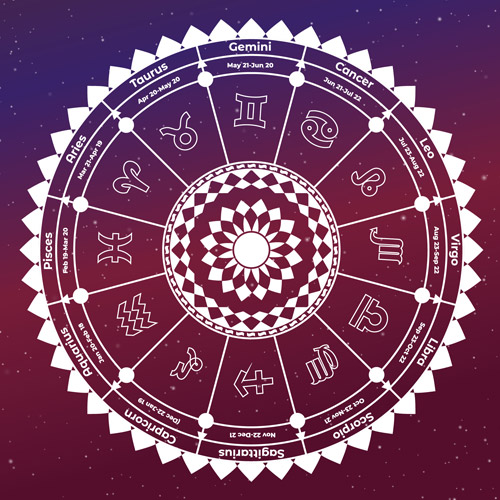
- Rashi (Zodiac Signs): There are 12 Rashis, or signs, each associated with different traits and ruled by specific planets.
- Nakshatras (Lunar Constellations): The zodiac is further divided into 27 Nakshatras, which add more depth and detail to your chart.
- Grahas (Planets): The nine key planets—Sun, Moon, Mars, Mercury, Jupiter, Venus, Saturn, Rahu, and Ketu—play major roles in shaping your destiny.
- Bhavas (Houses): Your birth chart is divided into 12 houses, each representing areas like career, love, health, and spiritual growth.
How It’s Different from Western Astrology
One major difference is the zodiac system used. Hindu astrology follows the sidereal zodiac, which is based on the actual positions of constellations in the sky. Western astrology, on the other hand, uses the tropical zodiac, which aligns with the seasons. This leads to subtle but important shifts in how signs and planets are interpreted.
Understanding the Birth Chart (Janam Kundli)
A Janam Kundli, or birth chart, is a celestial snapshot capturing the positions of planets at the exact moment and place of your birth. In Hindu astrology, this chart serves as a foundational tool, offering insights into an individual's personality, life path, and destiny.
What Is a Janam Kundli?
A Janam Kundli is a detailed astrological diagram that maps the positions of the nine planets (Navagrahas) across the twelve zodiac signs (Rashis) and twelve houses (Bhavas). Each component of the chart holds specific significance:
- Lagna (Ascendant): The zodiac sign rising on the eastern horizon at the time of birth, representing the self and overall life approach.
- 12 Houses (Bhavas): Each house corresponds to different life aspects, such as career, relationships, health, and wealth.
- 9 Planets (Grahas): The Sun, Moon, Mars, Mercury, Jupiter, Venus, Saturn, Rahu, and Ketu, each influencing various facets of life.
Understanding the interplay between these elements allows for a comprehensive analysis of one's strengths, challenges, and life trajectory.
How Date, Time, and Place of Birth Influence the Chart
The accuracy of a Janam Kundli hinges on the precise date, time, and place of birth:
- Date: Determines the Sun sign and planetary positions.
- Time: Crucial for calculating the Ascendant and the exact positions of the Moon and other fast-moving planets.
- Place: Essential for adjusting planetary positions relative to the local horizon.
Even a slight variation in birth time can lead to significant differences in the chart, affecting interpretations and predictions.
12 Rashi (Zodiac Signs) in Hindu Astrology
In Hindu astrology, the zodiac is divided into twelve signs, known as Rashis, each representing a unique blend of personality traits, elemental energies, and planetary influences. These signs play a vital role in shaping an individual's character, behavior, and destiny according to their birth chart. Let’s explore each Rashi in depth to understand their core essence and astrological significance.
Mesha (Aries) – The Ram
Element: Fire | Ruling Planet: MarsBold, energetic, and pioneering. Natural leaders with a direct and assertive personality. Driven, competitive, sometimes impulsive.
They are quick to take initiative, often the first to dive into new challenges without hesitation. Their straightforward nature makes them honest but at times tactless. Aries thrives in action but may struggle with patience and follow-through.
Vrishabha (Taurus) – The Bull
Element: Earth | Ruling Planet: VenusGrounded, loyal, and sensual. Appreciates stability, comfort, and beauty.
Can be stubborn, but dependable and hardworking.
Taureans are lovers of the finer things in life—good food, art, and nature. They value long-term security, both emotionally and financially. While change can unsettle them, they are reliable and strong-willed when committed to a path.
Mithuna (Gemini) – The Twins
Element: Air | Ruling Planet: MercuryCurious, communicative, and mentally agile. Loves learning and social interaction.
Versatile but may struggle with inconsistency.
Geminis are quick-witted and thrive on intellectual stimulation. Their dual nature makes them adaptable but also prone to indecision. They are skilled at conversation and often serve as the social glue in groups, but may need to work on staying focused.
Karka (Cancer) – The Crab
Element: Water | Ruling Planet: MoonEmotional, nurturing, and intuitive. Strong ties to home and family.
Sensitive, empathetic, sometimes moody.
Cancerians are deeply connected to their roots and personal relationships. They possess a powerful emotional intelligence and often sense things before others do. Their protective instincts make them great caregivers, though they may retreat into their shell when hurt.
Simha (Leo) – The Lion
Element: Fire | Ruling Planet: SunCharismatic, courageous, and confident. Natural performers and leaders.
Needs appreciation and recognition.
Leos radiate warmth and pride, drawing others in with their magnetic personality. They are generous and protective, often taking charge in group settings. However, they must guard against arrogance or dependence on praise to validate their self-worth.
Kanya (Virgo) – The Virgin
Element: Earth | Ruling Planet: MercuryDetail-oriented, analytical, and practical. Service-minded perfectionists.
Can be critical but deeply loyal.
Virgos are methodical thinkers who find satisfaction in improving their environment. They often work behind the scenes, offering quiet but indispensable support. Their perfectionism can lead to self-doubt or overthinking, yet their intentions are almost always pure.
Tula (Libra) – The Scales
Element: Air | Ruling Planet: VenusDiplomatic, graceful, and harmony-seeking. Craves balance in all areas.
Socially skilled but indecisive.
Librans value aesthetics, fairness, and peace, often striving to create beauty and unity in their surroundings. They are excellent mediators but may struggle with making firm decisions. Their charm helps them navigate complex social dynamics with ease.
Vrishchika (Scorpio) – The Scorpion
Element: Water | Ruling Planet: Mars/PlutoIntense, passionate, and deeply emotional. Loyal but secretive.
Resilient, transformative, sometimes vengeful.
Scorpios possess a magnetic aura and emotional depth that few can match. They are fiercely private, often masking their vulnerabilities with strength. While their loyalty is unmatched, they do not forgive easily, and their path often involves personal transformation through trials.
Dhanu (Sagittarius) – The Archer
Element: Fire | Ruling Planet: JupiterAdventurous, philosophical, and optimistic. Loves freedom and truth.
Restless, idealistic, sometimes blunt.
Sagittarians are driven by a thirst for knowledge and experience. They are natural explorers, both geographically and intellectually. With a big-picture mindset, they can inspire others but may overlook practical details or unintentionally offend with their honesty.
Makara (Capricorn) – The Sea-Goat
Element: Earth | Ruling Planet: SaturnAmbitious, disciplined, and strategic. Hardworking and goal-oriented.
Can be reserved or overly serious.
Capricorns climb steadily toward their goals, guided by a strong sense of responsibility. They excel in structured environments and value tradition. Though they may seem emotionally distant, their loyalty runs deep. They must be mindful of workaholism and self-isolation.
Kumbha (Aquarius) – The Water Bearer
Element: Air | Ruling Planet: Saturn/UranusVisionary, independent, and humanitarian. Thinks ahead of the curve.
Can be detached or rebellious.
Aquarians are future-oriented thinkers who often challenge societal norms. They value innovation, freedom, and collective progress. Emotionally, they can appear aloof, preferring logic over sentiment, yet they care deeply about global causes and community upliftment.
Meena (Pisces) – The Fishes
Element: Water | Ruling Planet: Jupiter/NeptuneCompassionate, intuitive, and artistic. Deeply emotional and imaginative.
Sometimes escapist or overly idealistic.
Pisceans live in a dreamlike world filled with creativity and empathy. They often absorb others’ emotions and possess a spiritual depth. While they are gentle and selfless, they may struggle with boundaries or retreat into fantasy when reality becomes too harsh.
Planetary Influences (Grahas)
In Vedic astrology, the Navagrahas—the nine celestial influencers—play pivotal roles in shaping an individual's destiny. Each planet, or Graha, embodies specific energies and governs distinct aspects of life. Their positions in the birth chart (Janam Kundli) and their interactions with zodiac signs and houses provide profound insights into one's personality, challenges, and life path.
The Nine Planets in Hindu Astrology
Sun (Surya)
Symbolizes the soul, vitality, and authority. Its placement affects one's confidence, leadership qualities, and overall health.
Moon (Chandra)
Represents the mind, emotions, and intuition. It influences mental well-being, emotional responses, and relationships with the mother.
Mars (Mangala)
Denotes courage, energy, and aggression. Mars governs ambition, physical strength, and can indicate conflicts or accidents.
Mercury (Budh)
Associated with communication, intellect, and reasoning. It affects speech, analytical abilities, and business acumen.
Jupiter (Guru or Brihaspati)
Embodies wisdom, spirituality, and expansion. Jupiter's position reflects one's beliefs, education, and prosperity.
Venus (Shukra)
Governs love, beauty, and luxury. It influences relationships, artistic inclinations, and material comforts.
Saturn (Shani)
Signifies discipline, responsibility, and karma. Saturn's placement can indicate life's challenges, delays, and lessons to be learned.
Rahu
A shadow planet representing desires, obsessions, and materialism. Rahu's influence can lead to unconventional paths and sudden changes.
Ketu
The counterpart to Rahu, symbolizing detachment, spirituality, and past-life karma. Ketu encourages introspection and liberation from worldly attachments.
Impact of Planets in Different Houses and Signs
The influence of each Graha is further nuanced by its placement in the twelve houses (Bhavas) and zodiac signs (Rashis):
Houses
Each house represents specific life areas, such as career, relationships, or health. A planet's position in a house affects that domain.
Signs
The zodiac sign a planet occupies modifies its expression. For instance, Mars in Aries may enhance assertiveness, while in Cancer, it might manifest as emotional defensiveness.
Understanding these dynamics allows for a comprehensive interpretation of one's birth chart, shedding light on inherent strengths, potential challenges, and life opportunities.
How Hindu Astrology Makes Predictions
Hindu astrology, or Vedic astrology, employs a multifaceted approach to forecasting life events, integrating planetary periods (Dashas), transits (Gochar), and the birth chart (Janam Kundli). This comprehensive system allows astrologers to provide insights into various aspects of an individual's life, including marriage, career, health, and more.
The Dasha System: Mahadasha & Antardasha
The Vimshottari Dasha system is a cornerstone of Vedic astrology, segmenting an individual's life into planetary periods known as Mahadashas. Each Mahadasha is governed by a specific planet and is further divided into sub-periods called Antardashas. These periods reflect the influence of their ruling planets, offering a timeline of potential life events. For instance, the Mahadasha of Venus may herald developments in love and relationships, while Saturn's Mahadasha could indicate periods of discipline or challenges.
Transits (Gochar): Real-Time Planetary Movements
Transits, or Gochar, refer to the current movements of planets across the zodiac and their interaction with an individual's natal chart. These movements can trigger significant life events, especially when transiting planets align with key points in the birth chart. For example, the transit of Jupiter over the natal Moon might bring about emotional growth or familial developments.
Marriage, Career, and Life Events in Hindu Astrology
In Hindu astrology, the birth chart (Kundali) serves as a celestial blueprint, offering insights into significant life events such as marriage, career, and overall life trajectory. By analyzing planetary positions, houses, and periods (Dashas), astrologers can provide guidance on these pivotal aspects.
Marriage Predictions
7th House & Venus
The 7th house governs partnerships and marriage. A well-placed Venus here suggests harmonious relationships, while malefic influences may indicate challenges or delays.
Navamsa Chart (D9)
This divisional chart provides deeper insights into marital life. The positioning of planets in the Navamsa can reveal the nature and quality of one's spouse and marital harmony.
Dasha Periods
The timing of marriage is often linked to favorable Mahadasha and Antardasha periods of planets like Venus and Jupiter.
Career Insights
10th House & Saturn
The 10th house represents career and profession. Saturn's placement here can indicate a disciplined and structured career path, while its malefic aspects might suggest obstacles.
Mercury & Jupiter
Mercury influences communication and intellect, beneficial for careers in writing or commerce. Jupiter signifies wisdom, favoring roles in education or law.
Dasha Influence
Career advancements or changes often align with specific planetary periods, especially those of Saturn, Mercury, or Rahu.
Life Events & Remedies
Maraka Planets & 8th House
The 8th house and Maraka planets (like Saturn and Mars) are analyzed for insights into longevity and significant life transformations.
Remedies
To mitigate adverse planetary effects, astrologers may recommend remedies such as wearing specific gemstones, chanting mantras, or performing pujas.
Hindu Astrology vs Western Astrology
When comparing Hindu astrology vs Western astrology, the differences go far beyond zodiac signs. Each system has its own foundation, methods of calculation, and interpretation. Understanding both helps you appreciate why Vedic vs Western astrology gives different predictions—even for the same birth date.
Zodiac Basis: Sidereal vs Tropical
- Hindu (Vedic) astrology uses the sidereal zodiac, which aligns with the actual constellations in the sky. This means the zodiac signs shift slightly over time due to Earth's precession.
- Western astrology relies on the tropical zodiac, which is fixed according to the seasons, not the stars. So, while the sun may enter Aries on March 21 every year in the Western system, the stars say otherwise in Vedic calculations.
Result: Most people have a different Moon or Sun sign in each system.
Moon Sign vs Sun Sign
- Western astrology focuses on the Sun sign, representing personality and ego. This is the sign most people know based on their date of birth.
- Hindu astrology, on the other hand, emphasizes the Moon sign, which reflects the mind, emotions, and subconscious patterns.
Why it matters: Moon signs change every 2.5 days, offering a more personalized insight, especially in predictions and emotional makeup.
Dasha System vs Fixed Timelines
- Hindu astrology uses the powerful Dasha system, especially Vimshottari Dasha, to map out life events. It tracks planetary periods that reveal what kind of experiences you'll face at different times.
- Western astrology focuses more on planetary transits and progressions, offering broader timelines based on where planets move in real-time.
Insight: The Dasha system gives detailed timing for events like marriage, job change, or health issues, while Western timelines are more generalized.
Interpretive Approach: Karmic vs Psychological
- Vedic astrology leans towards karma and destiny, suggesting that your birth chart reveals the results of past actions. It includes remedies like mantras, gemstones, and rituals to balance negative influences.
- Western astrology often leans into psychological growth, self-discovery, and personality analysis without suggesting spiritual remedies.
Divisional Charts & Nakshatras
- Only Hindu astrology uses divisional charts (like Navamsa for marriage) and Nakshatras (27 lunar mansions), giving deeper insights into specific life areas.
- Western astrology does not include these tools, which can sometimes limit detail.
Your Rashi (zodiac sign) and birth chart are more than just symbols or predictions—they are powerful tools that offer deep insight into your personality, life path, emotional tendencies, and future possibilities. As we’ve explored, your Rashi reflects your inner nature, while your full Janma Kundli (natal chart) gives a broader picture of your life's journey, including your strengths, challenges, and karmic patterns.
These astrological elements influence everything from your relationships, career, and decision-making abilities to your health and spiritual growth. Understanding your chart helps you align your actions with your true potential and navigate life with greater clarity and confidence.
If you haven’t already done so, check your birth chart today using your date, time, and place of birth. It’s the first step towards understanding the deeper layers of who you are and why certain patterns repeat in your life.
What is Rashi in Hindu astrology?
In Hindu or Vedic astrology, Rashi refers to one of the twelve zodiac signs that divide the celestial sky into twelve equal parts. Each Rashi corresponds to a specific segment of the sky and plays a vital role in shaping an individual’s personality, emotions, and life path.
Unlike Western astrology, which primarily focuses on the Sun sign, Vedic astrology gives greater importance to the Moon's position at the time of birth. The sign in which the Moon is located at birth is called your Janma Rashi (birth Rashi), and it deeply influences your mental makeup, instincts, and emotional nature.
Each Rashi is ruled by a planet and associated with particular elements, energies, and behavioral traits. Understanding your Rashi offers valuable insight into how you think, feel, and respond to life’s challenges.
In short, Rashi forms the foundation of your birth chart (Janma Kundli) and helps astrologers interpret everything from your personality and relationships to your career and spiritual journey.
Is Hindu astrology accurate?
Hindu astrology, also known as Vedic astrology or Jyotisha, is a traditional system deeply embedded in Indian culture and spiritual practice. While it holds significant cultural and personal value for many, it is not considered scientifically accurate by the modern scientific community.
Scientific Perspective:
- Lack of Empirical Evidence: Scientific studies have not found consistent or reproducible evidence showing that planetary positions directly influence human behavior or future events.
- Classified as Pseudoscience: Since its methods are not testable by scientific standards and rely heavily on symbolic interpretation, astrology is generally classified as a pseudoscience.
Cultural and Practical Significance:
- Time-Tested Tradition: Despite lacking scientific validation, Vedic astrology has been practiced for thousands of years and continues to be used in important life decisions—such as marriage, career, and naming ceremonies.
- Tool for Self-Reflection: Many people use it as a framework for understanding personality traits, emotional tendencies, and life patterns.
- Guidance-Based Use: For believers, astrology serves more as a spiritual guidance system rather than a precise forecasting tool.
Factors That Influence Perceived Accuracy:
- Astrologer’s Skill: The depth of an astrologer’s knowledge and interpretation can shape how "accurate" a reading feels.
- Birth Data Precision: Accurate predictions rely heavily on the exact birth date, time, and place.
- Interpretive Depth: Advanced techniques—like analyzing divisional charts (Vargas) and timing tools (like Dasha systems)—can add nuance to readings.
In summary, while Hindu astrology is not scientifically proven, it continues to be a meaningful and influential system for many, especially within Indian culture. Its true value may lie not in prediction, but in self-awareness, reflection, and decision-making support.
How to read a birth chart?
Reading a birth chart involves understanding how celestial energies influence your personality, behavior, and life journey. A birth chart—also known as a natal chart or horoscope—is a map of the sky at the exact time and place of your birth. Here's how to interpret it step-by-step:
Understand the Core Elements
- Planets: Each planet symbolizes a specific type of energy or influence. For example:
- Sun – self, confidence, vitality
- Moon – emotions, mind, inner self
- Mars – action, courage, aggression
- Mercury – communication, logic
- Venus – love, beauty, relationships
- Jupiter – growth, wisdom, luck
- Saturn – discipline, limitations, responsibilities
- Zodiac Signs (Rashi): There are 12 signs, each representing a particular style or quality of expression (e.g., Aries is assertive, Taurus is grounded).
- Houses (Bhava): The 12 houses correspond to different areas of life—like family, career, marriage, and finances.
- Aspects (Drishti): These are the angular relationships between planets, showing how their energies interact (e.g., supportive, challenging, or neutral).
Start with Key Personal Indicators
- Sun Sign: Represents your core essence—who you are at the deepest level.
- Moon Sign (Janma Rashi): Reflects your emotional world and subconscious patterns.
- Rising Sign (Ascendant or Lagna): Shows how you present yourself to the world and the lens through which you view life.
These three form the foundation of your personality and how you experience the world.
Interpret Planetary Positions
- Planets in Signs: How a planet behaves depends on the sign it's in. For instance, Mars in Leo may express bold, dramatic action, while Mars in Cancer may act more cautiously.
- Planets in Houses: This tells you which life area the planet is influencing. For example, Mercury in the 3rd house may make you skilled in communication and writing.
Analyze the Aspects (Planetary Relationships)
- Conjunction (0°): Two planets close together combine their energies.
- Square (90°): Creates internal tension and life challenges that push you to grow.
- Trine (120°): Indicates natural talent or ease between planetary energies.
- Opposition (180°): Shows a need for balance between conflicting areas.
In Vedic astrology, special planetary aspects (like Saturn’s 3rd, 7th, and 10th drishti) are also considered.
Look for Patterns and Themes
- Are there many planets in one sign or house? That area of life may be especially important.
- Are any houses empty? This doesn’t mean those areas are unimportant—just that they might be more stable or less challenged.
Use the Chart for Self-Understanding
A birth chart isn't just about fate or prediction—it's a tool for personal insight. It can help you:
- Recognize your strengths and challenges
- Understand emotional and behavioral patterns
- Make thoughtful life decisions
- Align better with your natural tendencies and purpose
Final Tip
Reading a birth chart takes time and experience. Start simple: focus on the Sun, Moon, and Rising signs, then move to planetary positions and aspects. Over time, you’ll notice deeper layers and connections revealing your unique story.
Which planet controls marriage?
In Vedic astrology, Venus is the key planet that governs love, romance, and marital harmony for both men and women. However, other planets also influence marriage—Jupiter represents wisdom and the husband in female charts, Mars affects passion and conflict, and the Moon governs emotional connection and mental compatibility, all contributing to the overall dynamics of a relationship.
